Unattended Death Cleanup
Decomposition cleanup and odor control are needed after a death goes unnoticed for several days.
See unattended death cleanupGet decomposition fluids, affected flooring, furnishings and odor treated with care in Brucetown. Source removal comes first because air treatment alone cannot correct absorbed contamination.
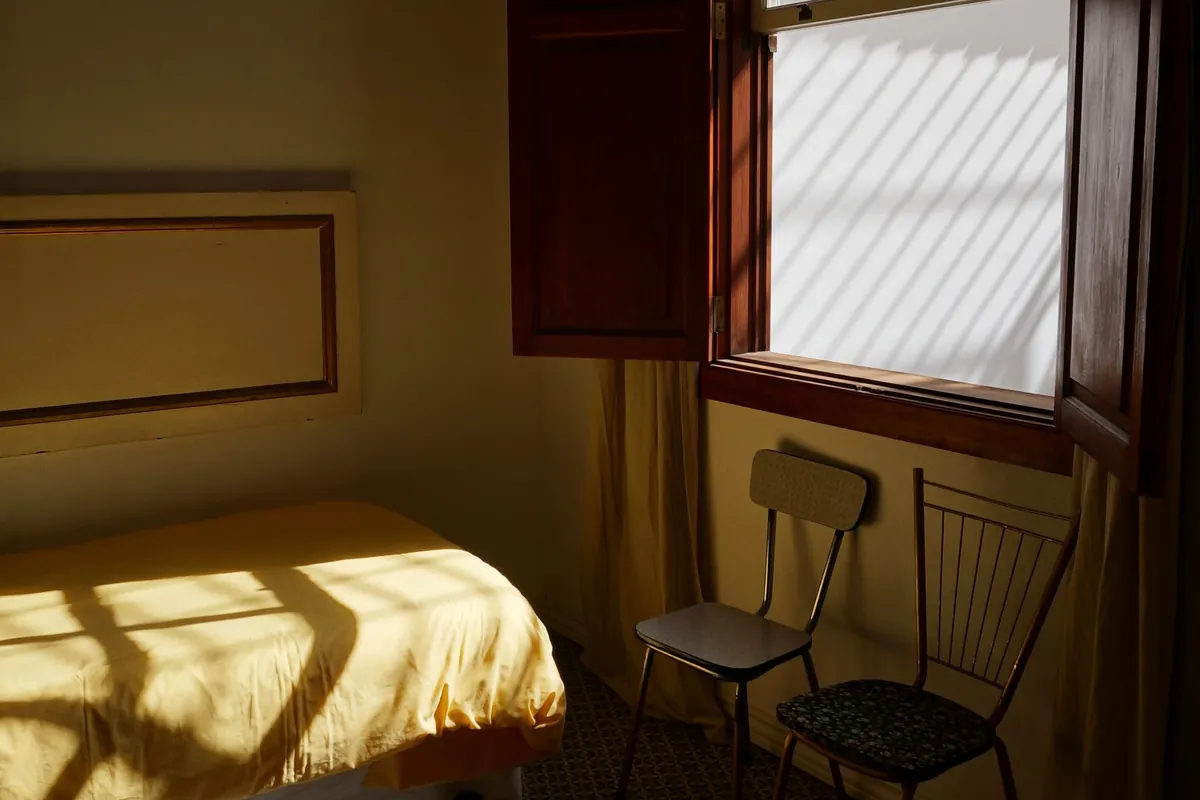
Decomposition cleanup means cleaning and disinfecting an area after a person dies, along with removing affected porous materials, residue and fluids. Treatment for odor that remains comes afterward.
Cleanup may become necessary if a person is not discovered soon and fluids reach furnishings, the floor or the structure underneath. Before any cleaning, police, the medical examiner or coroner and emergency personnel complete their work. The property must then be released to you or its responsible party.
Decomposition cleanup involves more than treating a visible stain. Fluid can move through carpet and pad, along seams in sheet flooring, beneath baseboards and into subfloor. A careful assessment traces that path. Materials that can be cleaned remain in place when possible. Contaminated materials that cannot be fully treated are removed, sealed and managed under applicable waste rules.
Before work starts, the crew tells you what can remain, what requires removal and why every step is included in the scope.
When they are safe to sort, loved ones' photographs, documents and mementos are placed aside for your decisions.
You can reach someone during the day or at night, and the crew uses unmarked vehicles to respect your privacy at a difficult time.
Photos, an itemized scope and waste records can help insurance companies and restoration services understand what was left behind so you can move forward.
When a death leaves odor or fluids in materials that routine household cleaning cannot reach, decomposition cleaning services are needed. Each case differs, with common needs such as:
Cracked edges or seams in wood, tile, vinyl and laminate may let fluid enter the adhesive or subfloor.
Every situation begins after the emergency response and official duties are complete. A delay in finding the person can let fluids soak into nearby furniture, bedding or floors.
Upholstery, cushions and unfinished wood can absorb fluid deeply and may need removal rather than surface treatment.
Contamination, odor or unseen damage can affect the area beneath flooring, carpet, a bed frame or a mattress.
Protect yourself, surrounding areas and clear records before anyone disturbs the affected room. These first steps also make the assessment easier:
Call (888) 440-9227There is no decomposition-cleanup range within the cost source that is available. The nearest published guide addresses unattended death cleanup, where odor and decomposition fluids are often part of the work. For early discovery, its range runs from $1,500 to $5,000 according to that source. When discovery occurs within about 72 hours, the figure is $3,000 to $8,000 in the guide. One to two weeks is listed at $8,000 to $18,000 there, increasing after three weeks or more to $15,000 to $35,000 under the same source. The assessed scope sets your actual price.
Published national cost guides are the source for these ranges, rather than an inspection of your property. An on-site assessment determines your property's price, which is explained to you before the cleanup starts.
Ask about cost: (888) 440-9227Insurance for a commercial property, rental or home may cover decomposition cleanup when a covered loss includes the death. Coverage is decided by the insurance company under the policy language, circumstances and deductible.
Property owners often arrange rental cleanup, with policy language and case details determining the party responsible for payment.
Contact the claims number once you become aware of the loss. Check whether different policy sections apply to cleaning, damaged structural materials, personal property and future restoration.
Homeowners or renters insurance, the estate or the property owner usually pays for this kind of cleanup. The Kentucky crime victim compensation program helps only when a crime caused the loss.
When conditions allow safe waiting, find out what documentation the adjuster wants before removal begins. Keep disposal records, project photos and an itemized scope to help with the claim decision.
The entire process keeps cleaning and odor treatment from beginning until hidden impact has been found. Cleanup technicians account for your privacy, property and belongings during every step.
The affected room, nearby areas and any space below are examined. The work boundary is based on floor material, wall borders, furnishings and patterns of air movement.
The affected work area is contained away from clean rooms. When conditions require it, the crew uses personal protective equipment and controls air movement.
Visible residue is collected, and absorbed materials are exposed carefully so the full depth and direction of contamination can be confirmed.
Affected porous materials require removal when contamination is inaccessible for treatment, including carpet, pad, upholstery, unfinished wood, drywall and subfloor.
After hard surfaces are cleaned, an EPA-registered disinfectant stays on them for the label's complete contact time.
When the source is no longer present, remaining surfaces and room air receive treatment. Equipment is selected for the room and used under its operating directions.
Affected waste is secured in appropriate closed containers, then made ready for compliant transport and disposal based on location.
The completed scope, photos and disposal records can be organized for you, the property owner, the insurer or a restoration contractor.
Call any hour. A specialist in decomposition cleanup takes your call, explains each step and agrees on a start time with you.
You should avoid entering or cleaning an area with decomposition fluids because hidden contamination can create serious health risks and may require removal of building materials.
Blood or other bodily fluids may carry harmful pathogens. The CDC says hepatitis B can survive on surfaces for at least seven days, so dried residue still deserves careful treatment.
Fluid can travel across furniture and through carpeting, floor seams or baseboard openings. Cleaning only the visible surface can leave affected material underneath.
The space may belong to a person you care deeply about. Stepping away from the physical cleanup can protect you from an experience that may be difficult to carry.
Can you clean it yourself? Cleaning after decomposition differs greatly from addressing an ordinary minor spill at home. Keep the space shut and request professional assessment when a death leaves fluids, residue or lasting odor. Leave an affected mattress and carpet in place, and do not test the fluid depth with bare hands.
Deep absorption usually means a material must be taken out. If the affected surfaces are accessible enough for cleaning and disinfection, the material can stay.
Under OSHA Bloodborne Pathogens Standard, 29 CFR 1910.1030, worker requirements cover protective equipment, training, related practices and controls for exposure.
Choose an EPA-registered disinfectant labeled for the organism and surface, then keep the area wet throughout its stated contact time.
Kentucky has no single medical waste agency. The Energy and Environment Cabinet's Division of Waste Management permits medical waste transfer stations, and most landfills accept this waste only after treatment, so it should not go in household trash.
Kentucky relies on elected county coroners, supported by the Office of the State Medical Examiner, which helps coroners determine cause of death. Cleanup starts after police or the medical examiner or coroner release the scene.
Decomposition cleanup sometimes takes one day for an accessible, limited space, but several days may be needed when furniture, flooring, walls or rooms below are affected by fluids. The timeline cannot be accurate before assessment defines the entire affected boundary.
The full decomposition cleanup guide covers what is cleaned or removed, odor and air quality work, and the rules that apply in Kentucky and Fayette County.
Read the full decomposition cleanup guideLocal housing, population and access details can shape containment, access and cleanup planning.
For an injury during discovery, University of Kentucky Hospital is the nearest listed hospital at approximately 2.2 miles away.
Crews coming in from Elsmere Park, Fayette Park or Mulberry Hill should keep vehicles and equipment staged close to the affected property for privacy.
Because this is a neighborhood within Lexington, cleanup access may depend on local parking, common entrances, or building management rules.
During your call, ask whether cleanup is available in surrounding communities and ZIP codes.
Decomposition cleanup and odor control are needed after a death goes unnoticed for several days.
See unattended death cleanup
Cleaning a home after someone dies, including fluids, odor and affected belongings.
See death cleanup
Careful work in the family home follows when a death is discovered quickly.
See attended death cleanup
Air scrubbers, hydroxyl and ozone treatment support death odor removal at its source.
See death odor removal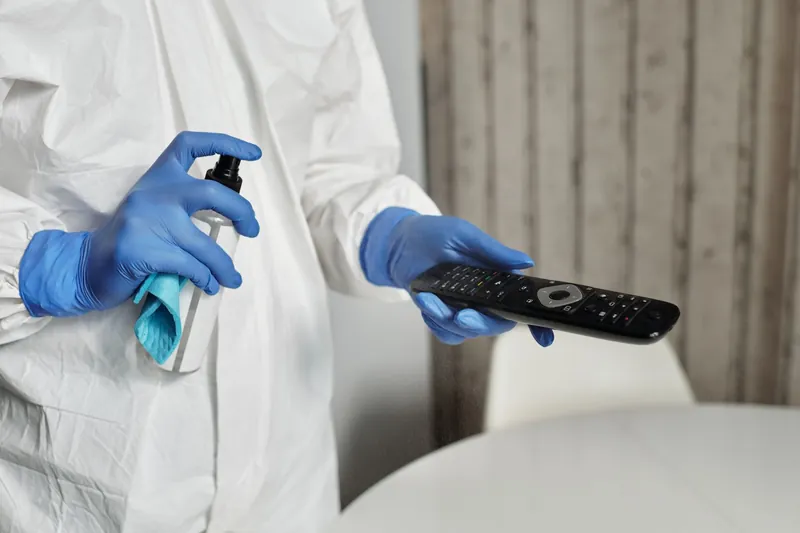
Biological remediation removes contamination so the space can be safely used again.
See biohazard remediation
Forensic cleaning of blood also covers investigation residue, tissue and fingerprint powder.
See forensic cleaning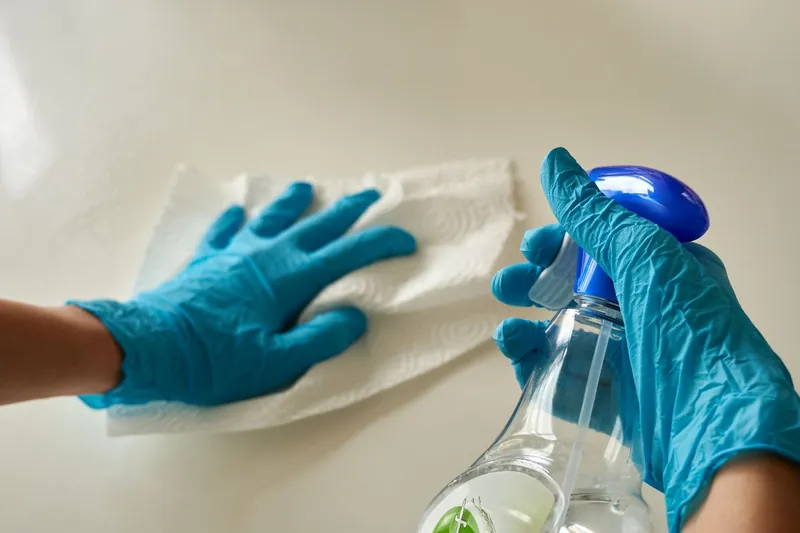
Blood cleanup clears blood from furniture, walls, hard floors and carpet, followed by safe disposal.
See blood cleanup
Estate cleanout after a death, with sorting of belongings and safe removal.
See estate cleanout after a deathSometimes, but only when fluids stayed on an accessible, non-porous surface and the full source can be treated. Contamination may soak into carpet, padding, raw wood and certain floor joints. When the odor source lies below the finish, removing that part may be necessary ahead of treating the air.
Odor alone does not show the type or amount of exposure, but a room with decomposition odor may also contain fluids and affected porous materials. Do not use smell as a safety test. Keep people and pets out, avoid disturbing the area and arrange an assessment of the source and surrounding materials.
A biohazard cleanup team should assess a room when decomposition fluids, residue or persistent odor are present. Do not personally move the mattress, remove flooring or interfere with any affected residue. Moving affected items may carry contamination to clean areas and bring you into contact with material needing controlled disposal and packaging.
The available source does not publish a specific price range for decomposition. Guides for unattended death cleanup show $1,500 to $5,000 when discovery is early, with far higher ranges after more time. How deeply fluids traveled, what requires removal, the rooms involved, odor needs and waste disposal all shape the final cost.
The answer varies with the affected area's location, the ability to contain it and the equipment required. You should remain outside the work zone. Specific odor procedures or building conditions may require everyone to leave the property. Comply with onsite instructions and every direction for running the treatment equipment.
The work removes affected porous items along with body fluid and residue left following a death. Odor treatment follows source removal and the cleaning and disinfection of remaining surfaces that can be reached. How far fluids spread determines whether cleanup involves furnishings, nearby belongings, carpet, padding, subfloor and drywall.
Respectful, discreet decomposition cleanup is available 24 hours a day, and crews arrive in unmarked vehicles.